Adrit Panday.

Computer Science Engineer.

CS Specialist at the University of Toronto Scarborough with a minor in Astrophysics & Astronomy. I build at the intersection of machine learning, systems programming, and full-stack engineering — from neural networks in raw C to AI-assisted clinical imaging pipelines and real-time geospatial platforms. On the full-stack side I architect end-to-end products with Node.js, Next.js, and MongoDB, containerized with Docker and shipped with automated CI/CD. Outside of engineering, I'm usually deep in a video game or out in the park playing with friends.

View Work ↓

gEeS 0DkPeDb3w8

02 / 04
TD Bank — Toronto, ON
Sep 2026 — Dec 2026

uCx8ygxY vxn?qHc; vpNrb&

Python · Cobol · DB2
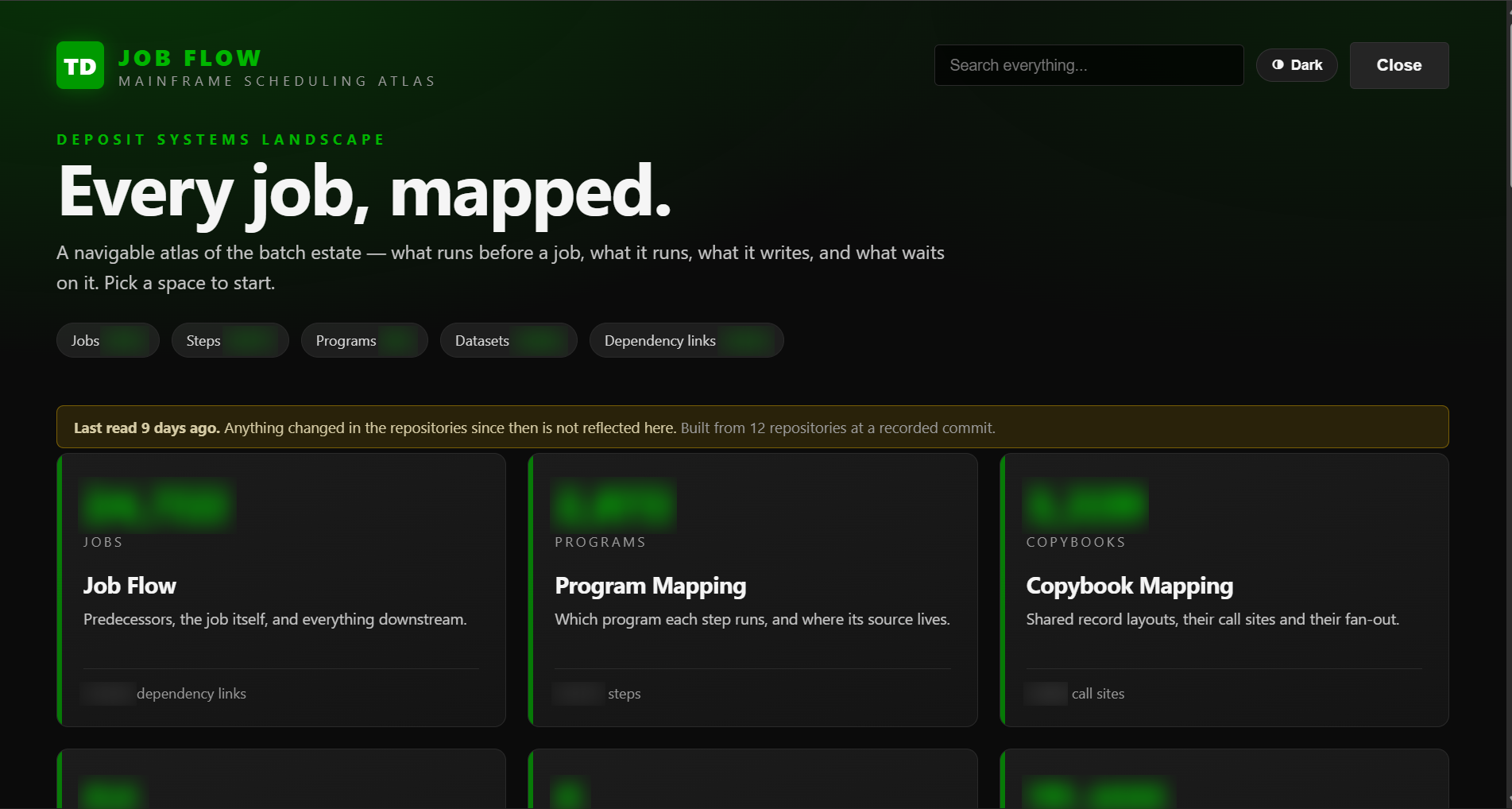
  • Co-developed a Python-based application-mapping and impact analysis platform that consolidates Cobol source code, job schedules, and documentation across 12 mainframe applications into a searchable web interface.
  • Enabled engineers to assess change impacts, troubleshoot failures, and trace cross-system data flows, reducing impact analysis and troubleshooting time by an estimated 70%.
  • Developed DB2 unit tests for Cobol mainframe programs, resolved severe errors ahead of PAT deployment, and authored deployment documentation for the Mainframe team, ensuring stable, production-ready releases.
  • Co-hosted hands-on Builder’s Club sessions as part of a 6-person organizing team, introducing colleagues to emerging technologies such as fruit fly brain simulation, website hacking, and reverse engineering and merging games into new ones.
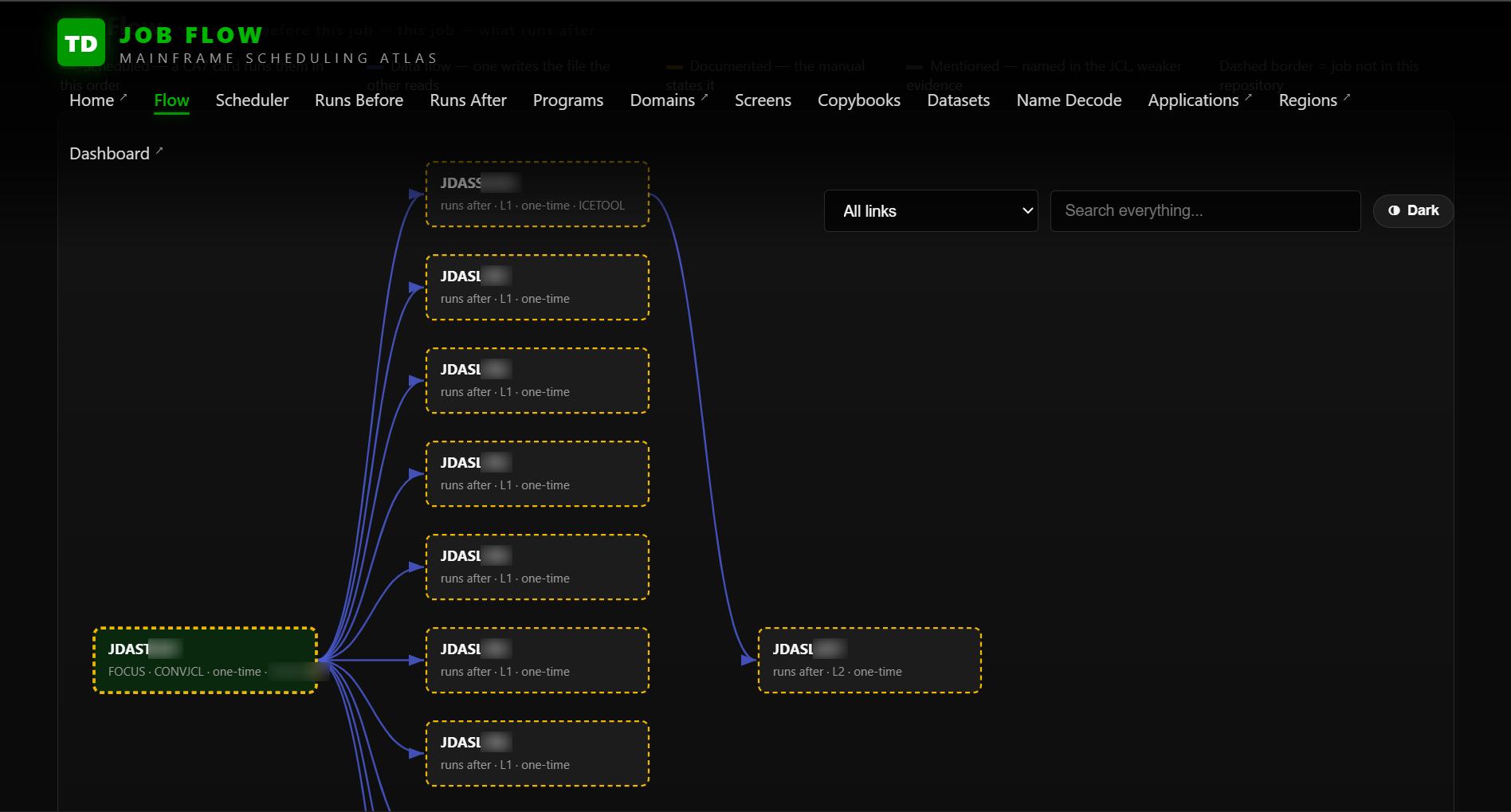
Job dependency graph tracing a mainframe batch job to the jobs that run after it
Dependency Graph
Job Flow mainframe scheduling atlas: searchable map of jobs, programs, and copybooks across 12 repositories
Job Flow Atlas
click to view
Sunnybrook Hospital — Toronto, ON
Oct 2024 — May 2025

n* p$v2qh4e 52Zz?2jtM

Python · PyTorch · QuPath · OME-XML
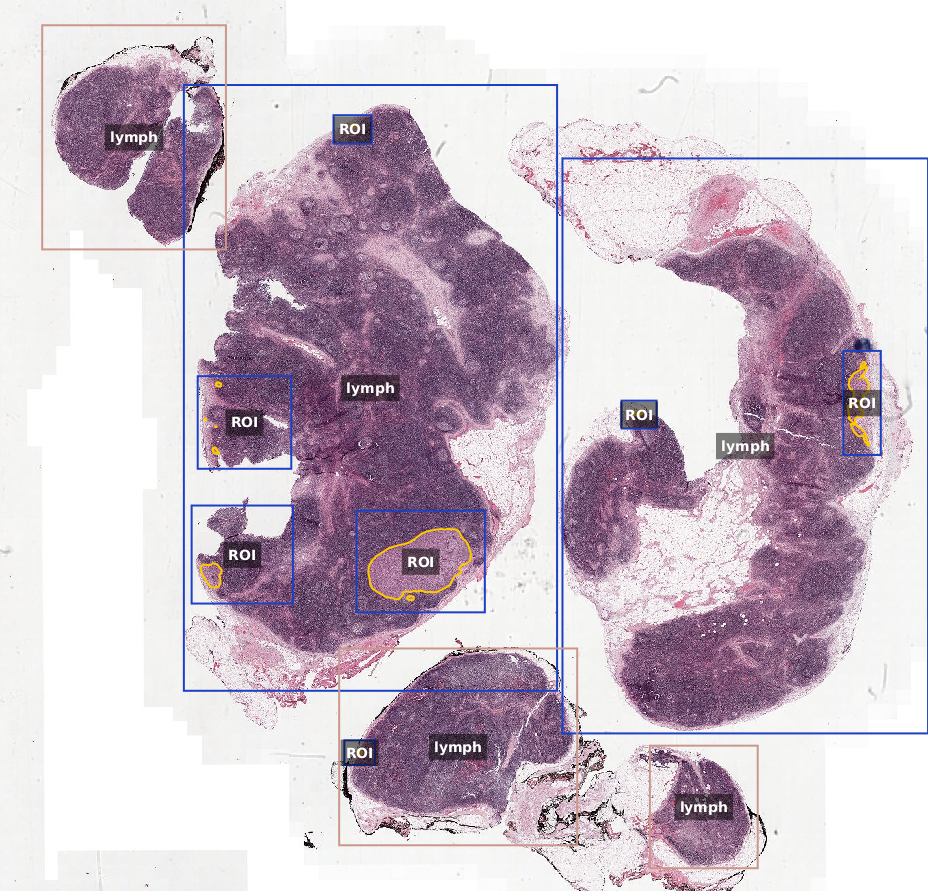
  • Engineered automated Python preprocessing pipelines for histopathology tumor imaging, cutting data preparation time by ~85% — replacing multi-day manual processing with unattended 2–3 hour automated runs requiring only result verification.
  • Developed a multi-format image parsing framework supporting .svs and .tif whole-slide scans with QuPath and OME-XML integration, increasing the number of usable scans across multiple research pipelines by 40%.
  • Built deep learning training pipelines by implementing custom PyTorch preprocessing classes for flow recomputation, geometric augmentation, and resolution normalization, reducing training and evaluation time per run by 35%.
  • Enhanced AI-assisted tumor segmentation workflows within Paracell’s research platform while optimizing GPU-based preprocessing throughput and memory usage to support large-scale model training on high-resolution whole-slide images.
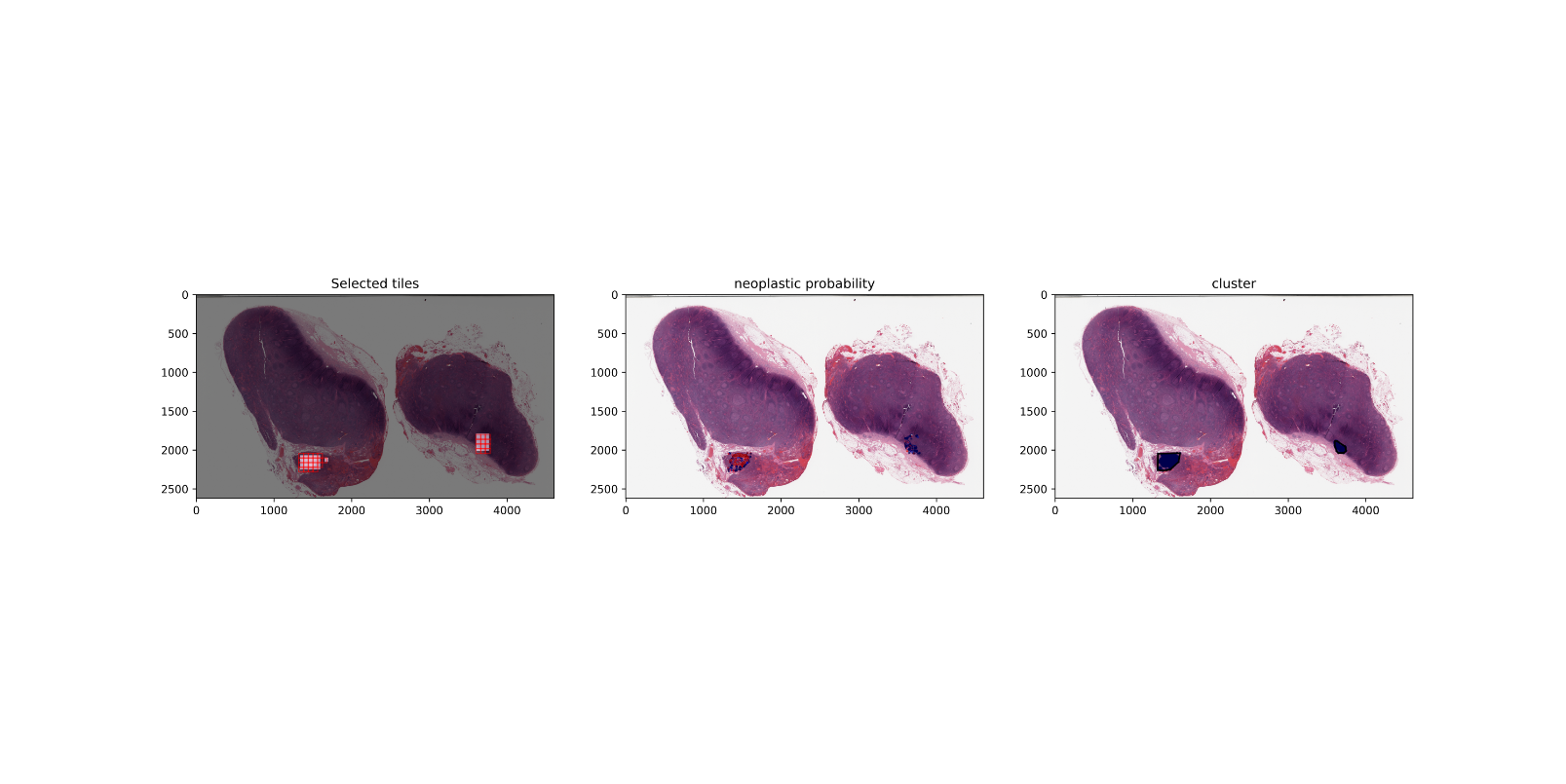
Directed inference pipeline: tile selection, neoplastic probability, cluster map
Inference Output
Annotated whole-slide histopathology image with labeled tissue regions
Annotated WSI
click to view

*!2b7!k0 ygR0!Hby

03 / 04
012025

mqbO

Full-Stack · Geospatial
Node.js · Next.js · MongoDB · Docker

Architected a full-stack geospatial platform enabling real-time visualization and analysis of Great Lakes nearshore water temperature data.

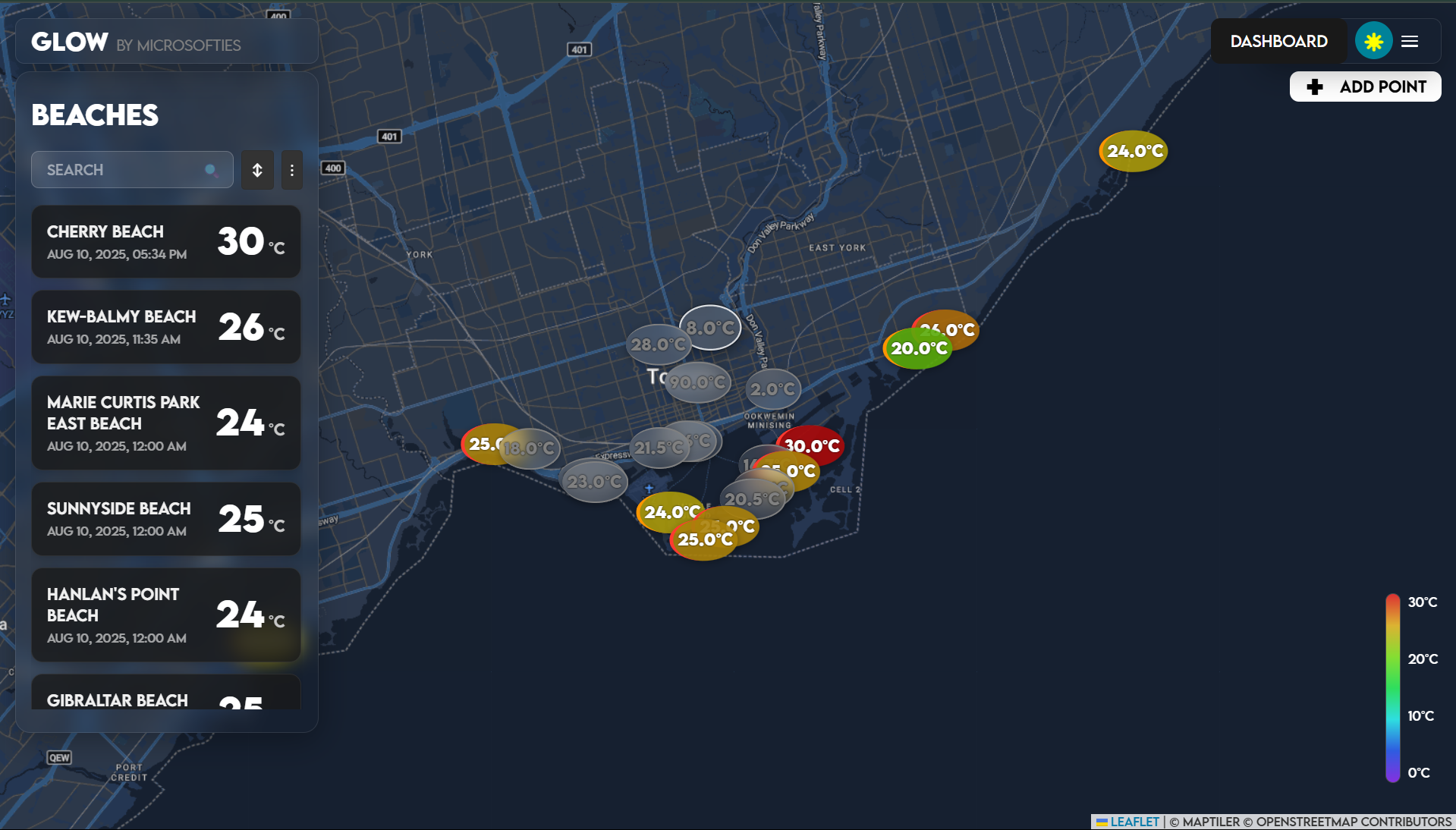
  • Built interactive Leaflet maps and Chart.js dashboards for real-time water temperature visualization across Great Lakes beaches.
  • Designed RESTful APIs with JWT-based authentication and MongoDB data models supporting high-volume geospatial data ingestion.
  • Containerized with Docker and implemented CI/CD via GitHub Actions with ~90% automated test coverage and production deployment readiness.
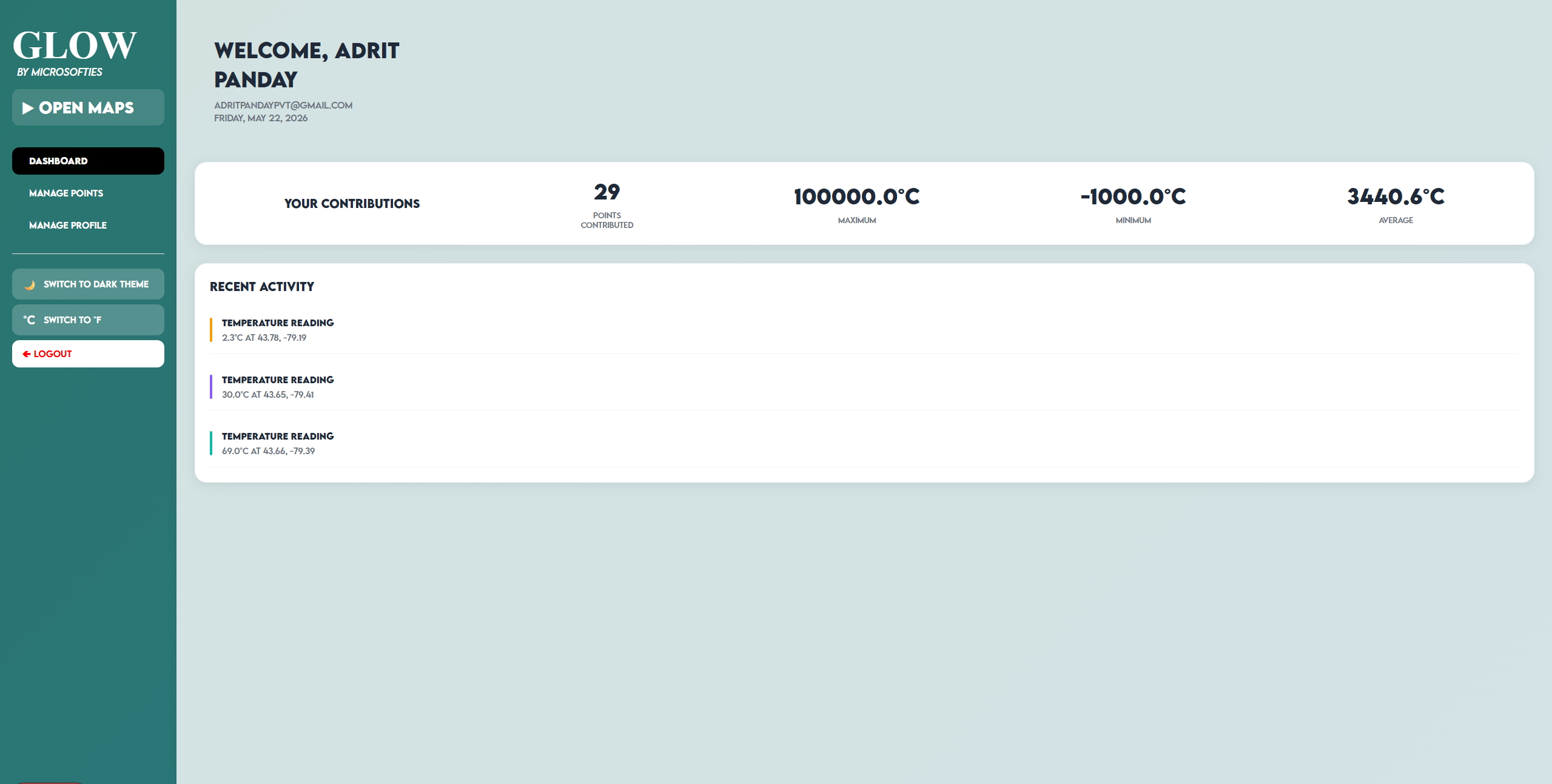
GLOW user dashboard where users can view and manage their saved beach locations and edit temperature logs
User Dashboard
GLOW Home Page with interactive map showing beach water temperatures across Toronto
Live Map
click to view
022026

e9CsjA o^sE?PM %yulL%

Systems · Machine Learning
C

Built a complete neural network training engine in C with no external ML libraries — implementing forward propagation, backpropagation, and explicit weight updates from first principles.

  • Derived and implemented full error backpropagation from scratch, carefully managing gradient flow and weight update sequencing across layers.
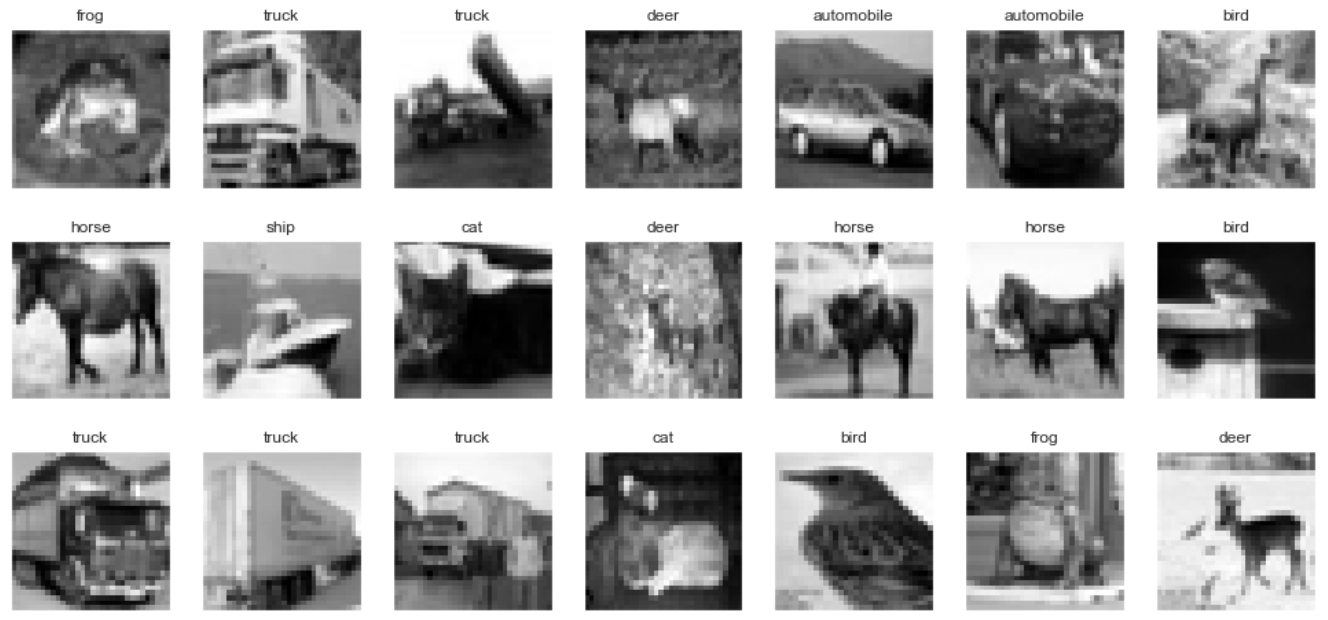
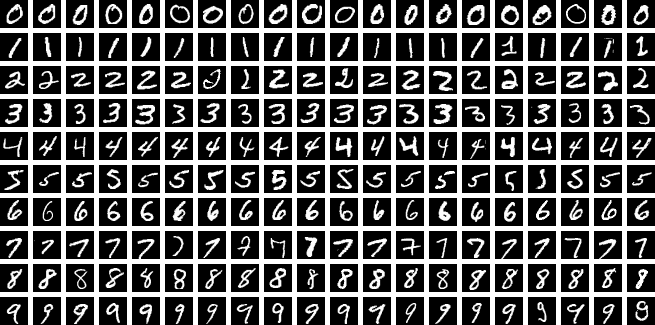
  • Achieved 80%+ classification accuracy on MNIST; analyzed performance gaps between shallow and multi-layer architectures on CIFAR-10.
  • Experimented with activation functions, hidden layer sizes, and input scaling to mitigate saturation and optimize convergence.
CIFAR-10 image classification samples across 10 categories
CIFAR-10 Samples
MNIST handwritten digit dataset samples used for training and evaluation
MNIST Training Data
click to view
032024

1vl JfVZs 64e B$ umM2D!21

ML · Data Science
Python

1st place at MTA Datathon among 50+ participants. Applied ML-driven forecasting and budget optimization to build the highest-scoring F1 fantasy team within a $1M cap.

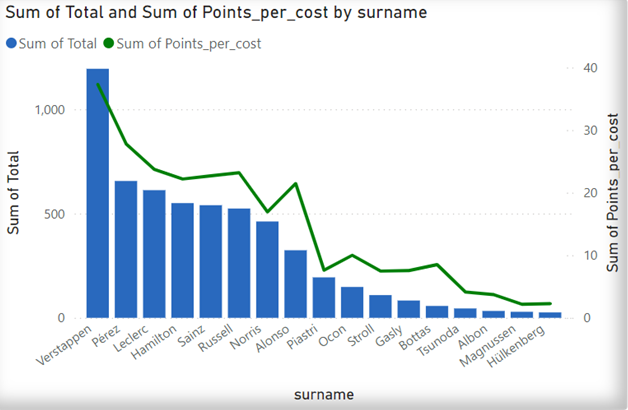
  • Analyzed 15+ race data points — track history, driver form, results, and car malfunction rates — to build performance forecast models.
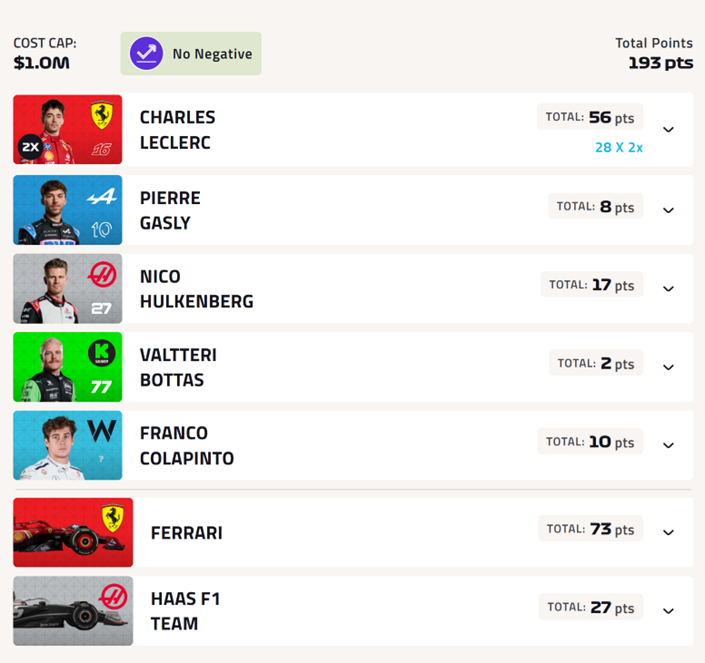
  • Applied budget optimization within the $1M cap to identify the team scoring 193 points, securing 1st place among 50+ participants.
  • Collaborated in a 4-person team using agile workflows across data acquisition, model building, and final presentation.
F1 driver points and points-per-cost analysis bar chart
Driver Analysis
Optimal F1 fantasy team selection showing 193 total points within $1M budget
Optimal Team
click to view
042024

u1qI%m=h p *%TF!I~Snupn

Robotics · Computer Vision · AI
C/C++ · OpenCV · Linux · LEGO EV3

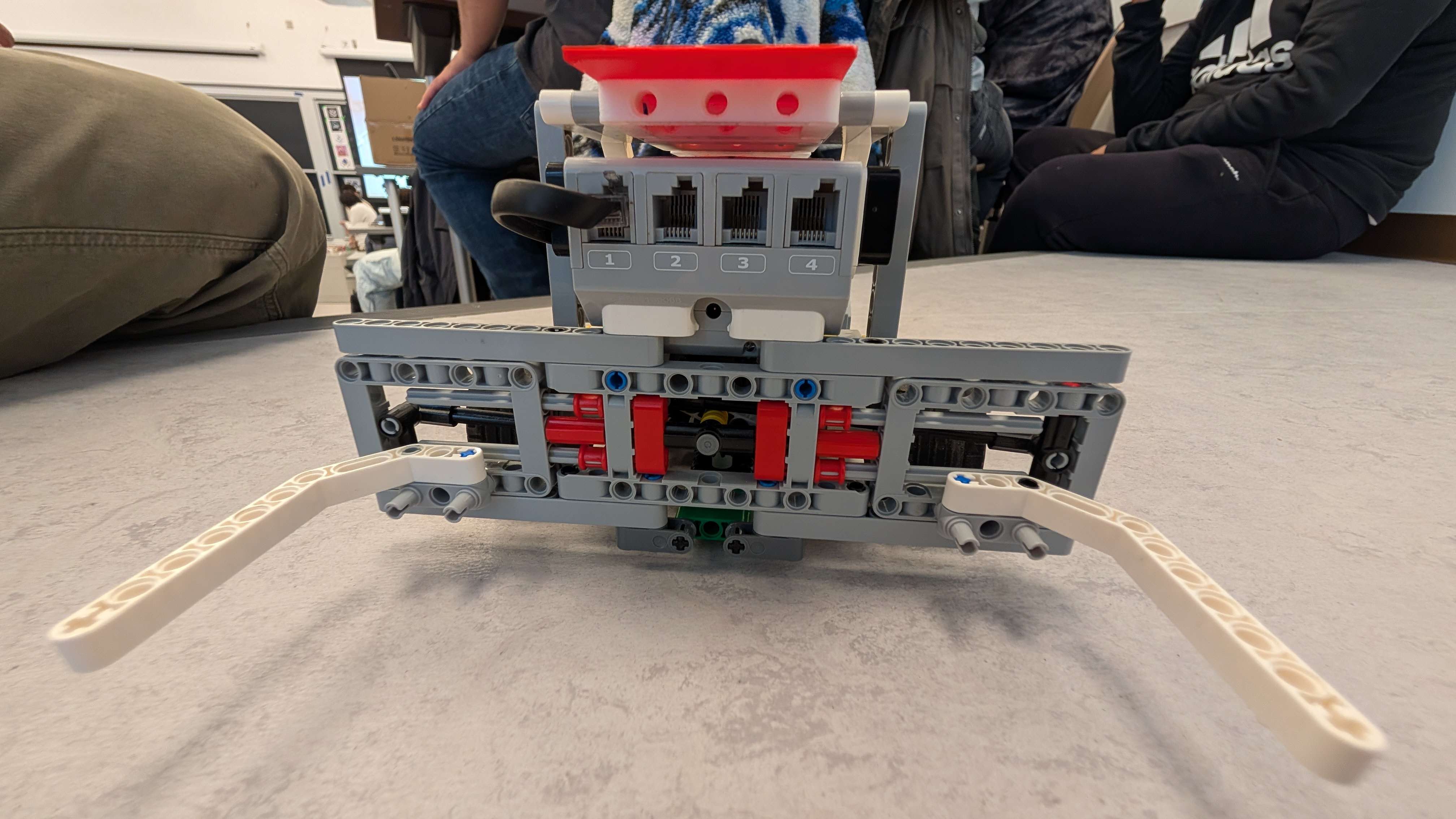
Built two autonomous robot systems from scratch — an adversarial soccer-playing robot and a probabilistic self-localizing navigator — both deployed on LEGO EV3 hardware under real-world noise conditions.

  • Developed autonomous soccer robot with webcam blob tracking, finite-state decision logic (ball intercept, goal pursuit, opponent avoidance), and Bluetooth actuation — placed Top 8 at RoboSoccer competition.
  • Built perspective-correction and heading-estimation calibration pipeline for a 170 cm × 115 cm playfield under noisy vision input.
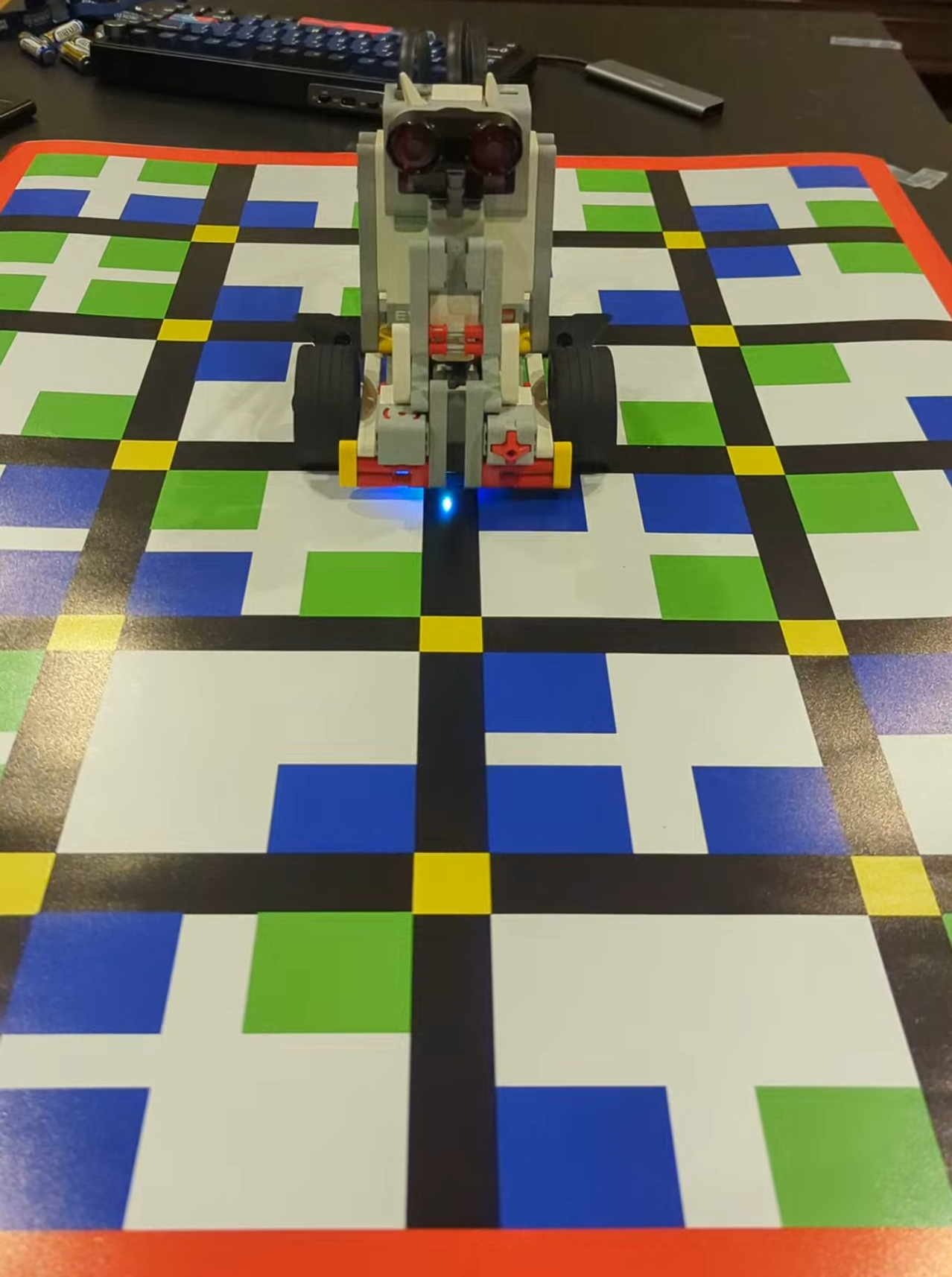
  • Implemented Markov/histogram localization maintaining belief states across grid intersections × 4 orientations with probabilistic sensor fusion for robust recovery from ambiguous states.
Probabilistic localization grid showing robot belief states across orientations
Localization Grid
LEGO EV3 robot built for the RoboSoccer competition
EV3 Robot
click to view
052026

CQm4BMBe?N$ qkuCKYZXmB

AI · Algorithms
C

Engineered an adversarial multi-agent decision system combining A* pathfinding with MiniMax alpha-beta pruning for real-time grid navigation.

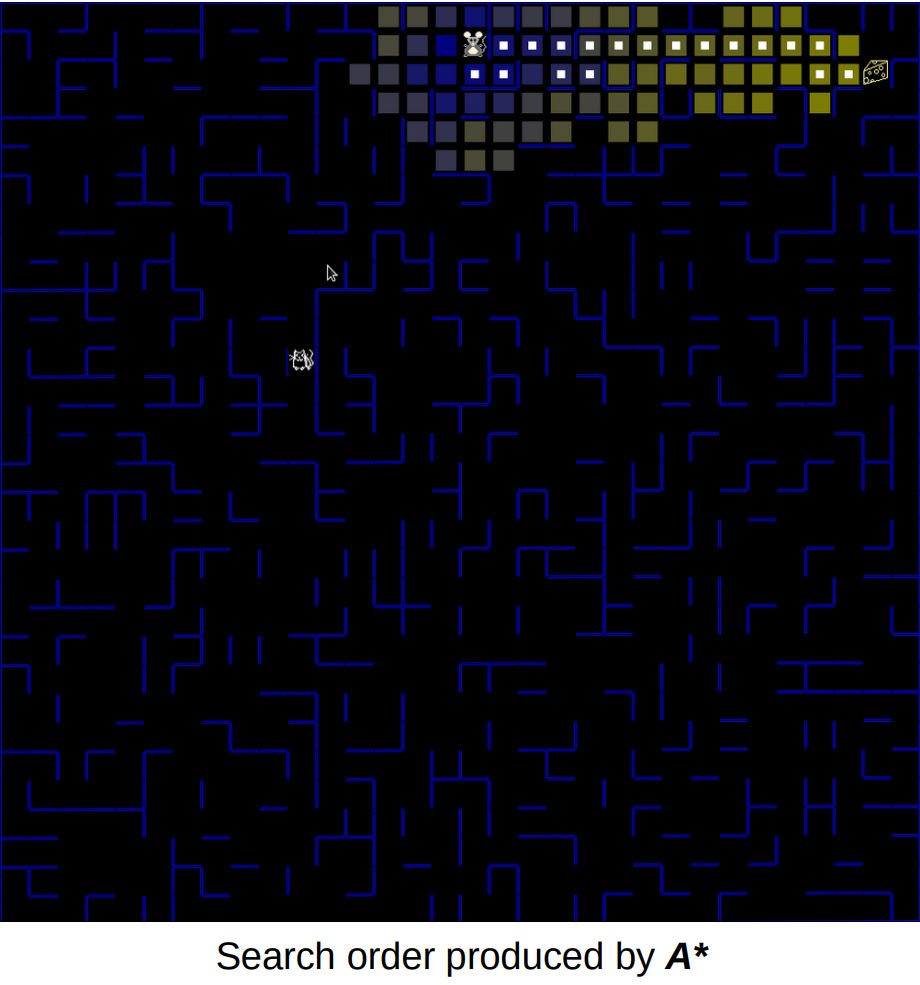
  • Built A* pathfinding with Manhattan heuristic and priority-queue optimization for optimal, real-time path planning in constrained grids.
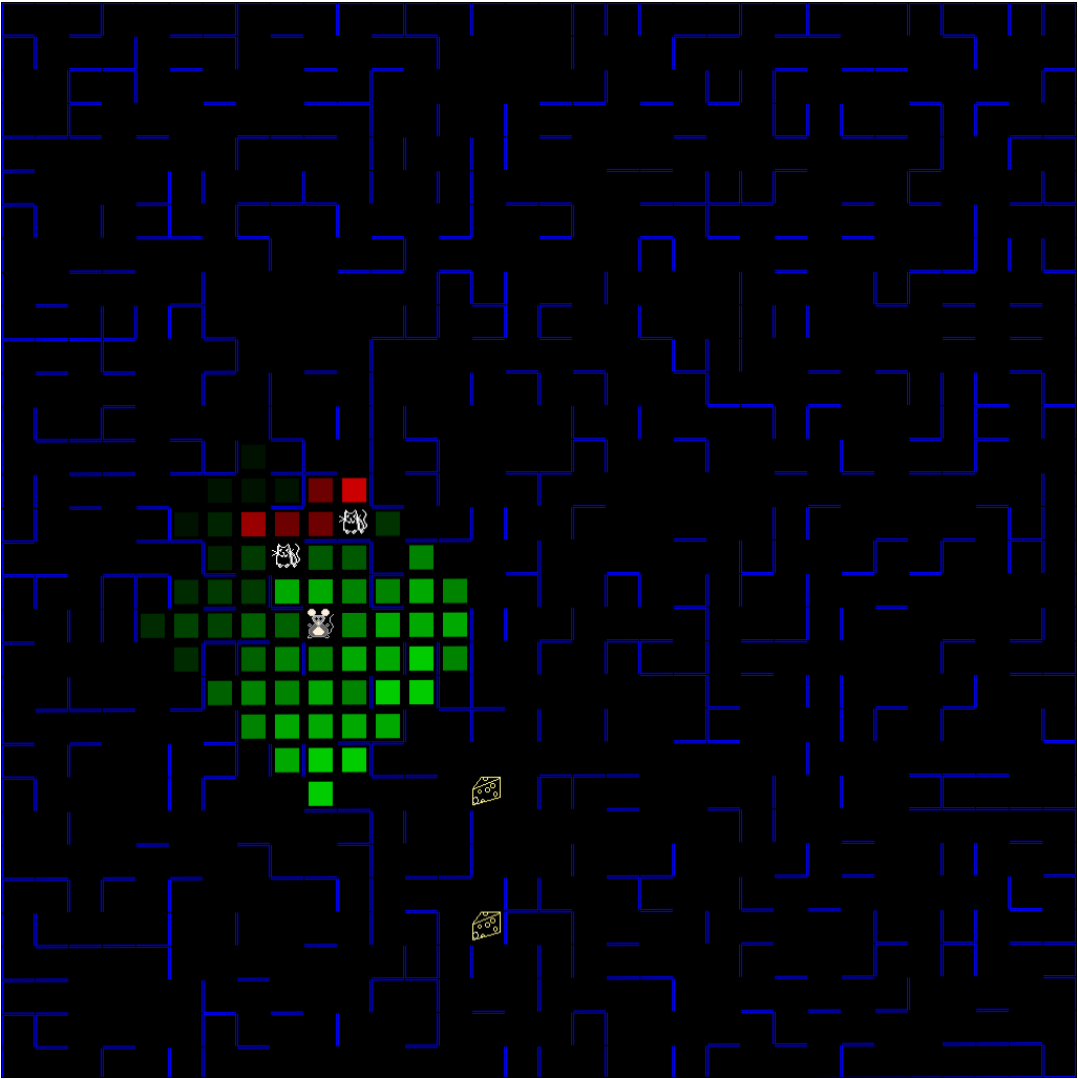
  • Developed MiniMax with alpha-beta pruning, reducing evaluated states by ~60% at search depth ≥ 10 for sub-second adversarial decisions.
  • Designed the system to handle dynamic opponent behaviour, enabling robust navigation across large, unpredictable environments.
A* search order visualization showing explored nodes in a maze environment
A* Search Order
MiniMax adversarial search visualization showing agent and opponent search areas in a maze
MiniMax Search
click to view

P^MB1?hKU FzI3!Y

04 / 04
Languages
PythonCC++JavaScriptJavaSQL
Machine Learning & AI
PyTorchTensorFlowNumPypandasScikit-learnLLM APIs
Robotics & Vision
OpenCVSensor FusionLocalizationState MachinesMotion PlanningReal-Time Control
Frameworks
Node.jsExpressNext.jsReact
Tools & Infrastructure
GitGitHub ActionsDockerLinux (Ubuntu)MongoDBJiraVS Code
Familiar
HaskellAssemblyShellQuPathOME-XMLHTML/CSS
Computer Science Specialist
University of Toronto
PythonPyTorchC / C++Next.jsDocker+ many more